
Gxmble UK Legal Status & Licensing
 Available in GB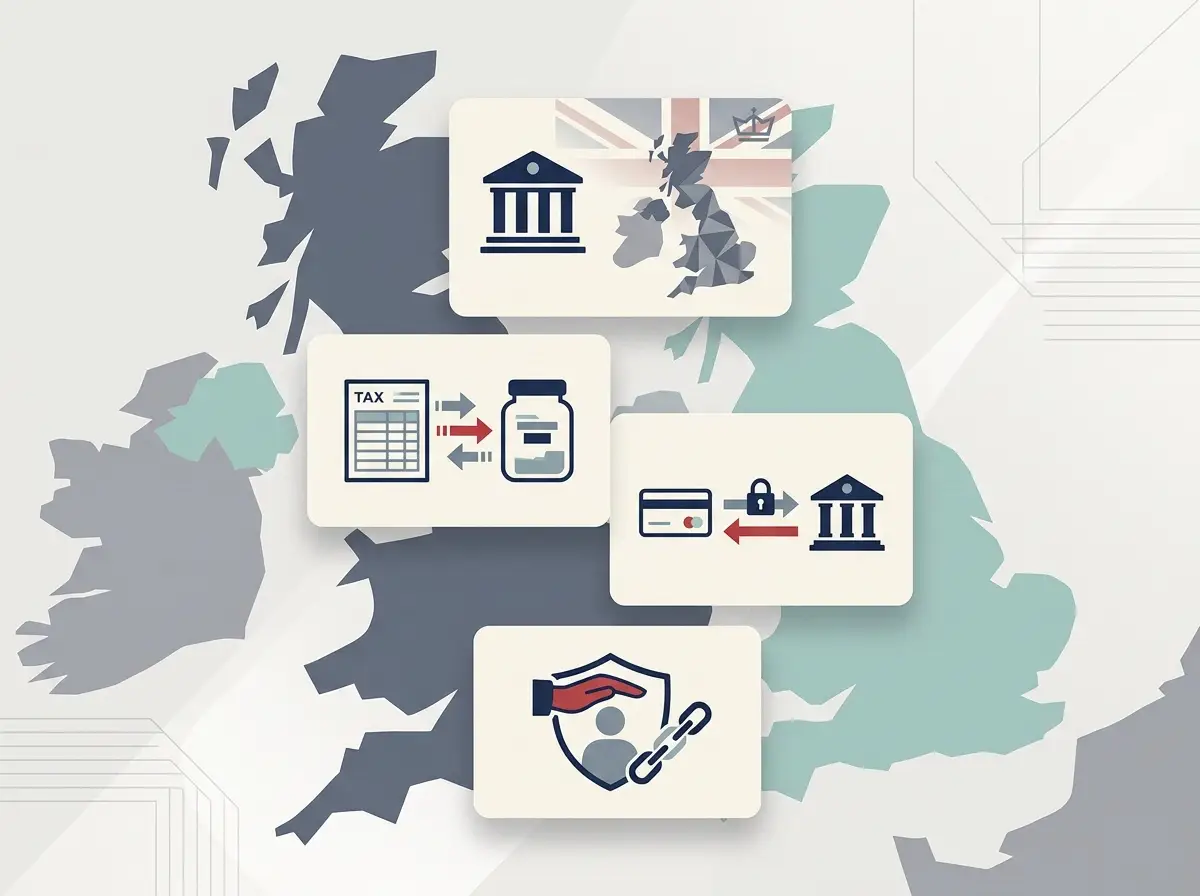
Contents
Great Britain Gambling Framework for Gxmble
The UKGC remote casino operating licence page says that a remote casino licence covers online casino games, including poker, roulette, blackjack and online slots. It also says a licence is needed when providing remote gambling facilities to consumers in Great Britain, regardless of where the operator is based.
The UKGC operating licence application page is similarly direct: an operating licence is needed to provide gambling facilities to players in Great Britain, including remote or online facilities, and to advertise to consumers in Great Britain. For this guide, that is the legal baseline for operator authorisation, and it sits within the Gambling Act 2005 framework with the 2014 changes for remote operators selling into the British market.
The wording is Great Britain, which means England, Scotland and Wales in the UKGC guidance used here. This page does not overstate those rules as a complete statement of every Northern Ireland detail. For a UK reader, the practical point is still clear: a UKGC local licence hit would be the strongest local evidence, and this project did not verify one for Gxmble.
Recommended online casinos
- JetsetspinsBonus: 200% Bonus + 100 Free Spins + Free Royal Wheel · Payout speed: 1-3 business days
- ChanzeBonus: Slots Welcome Bonus #1 200% up to €500 · Payout speed: 1-3 business days
- SlotoSportBonus: 500% up to £ 10 200+ 777 FS · Payout speed: 1-3 business days
- SpinFormulaBonus: 550% Up To £15,000 + 550 FS · Payout speed: 1-3 business days
- EvoSpinBonus: 125% up to €2500 + 125 Free Spins · Payout speed: 1-3 business days
- ZombillionBonus: Welcome Pack 250% up to £4000 + 200 FS · Payout speed: 1-3 business days
What was verified for Gxmble
The UKGC business register is the public register for gambling businesses licensed by the Commission, and it can be searched by business name, trading name, domain name or account number.
For Gxmble, this project did not verify a local UKGC licence hit. That is the public wording used across the review. It does not prove every individual UK account outcome. It does mean the review cannot responsibly describe Gxmble as has a UKGC licence, is UK regulated, is covered by UKGC protection or locally compliant in Great Britain.
The licence check page explains the offshore licence listing and operator-evidence limits. The legal page adds the local rule context: offshore licence information should not be converted into Great Britain authorisation.
What this legal context does and does not prove
- It supports
- Great Britain remote casino operators need appropriate UKGC permission when serving or advertising to British consumers, and no UKGC local licence hit was verified for Gxmble in this research.
- It does not support
- A claim that Gxmble has a UKGC licence, is GAMSTOP covered, fully UK compliant, fully legal for every reader or fully illegal for every reader.
- It requires caution
- Readers who need local Great Britain consumer-protection routes should treat the missing verified UKGC hit as a major decision factor.
This is why the No GamStop context page is under the trust cluster. Non-GamStop wording is a self-exclusion and protection issue, not a bonus feature.
Player-tax wording for UK readers
Tax treatment is separate from operator licensing. HMRC’s Business Income Manual says betting and gambling as such do not constitute trading, and that the taxpayer placing a bet is normally not taxable on profits and does not receive relief for losses. GOV.UK Capital Gains Tax guidance also says you do not pay Capital Gains Tax on gains from betting, lottery or pools winnings.
This is general UK tax-source wording, not personalised tax advice. It does not make an offshore casino locally licensed, and it does not answer every tax situation involving business activity, professional services, cryptoasset disposal or unusual facts. If a reader has complex income, crypto or business circumstances, a qualified adviser is the right route.
Operator tax is a different issue
HMRC’s Remote Gaming Duty notice says Remote Gaming Duty is charged at 40 percent from 1 April 2026 on a gaming provider’s profits from remote gaming with UK persons, and that remote gambling duties apply on a place-of-consumption basis. That is operator-tax context, not a charge on ordinary player winnings.
This page does not verify Gxmble’s operator-tax compliance. It only explains why operator licensing, operator taxation and player tax should not be mixed into one simple legal answer. A player can see tax wording that is favourable to gambling winnings while still facing a serious operator-licence risk.
Credit-card and payment-rule context
The UKGC credit-card guidance says online betting, casino and bingo operators must not accept credit-card payments for gambling, and operators accepting e-wallet payments should make sure the money was not loaded from a credit card. This guide therefore does not recommend credit-card deposits to UK online casino players.
The Gxmble payment methods page handles Gxmble’s listed payment categories and the practical checks around cards, e-wallets, bank transfer and crypto. Payment availability does not prove local licensing, and a successful deposit does not prove a protected withdrawal route.
Advertising and responsible-gambling context
UK gambling advertising rules require socially responsible marketing under the CAP and ASA Advertising Codes, and the UKGC’s licensing objectives focus on preventing crime, ensuring fair and open gambling and protecting children and vulnerable people. Those objectives explain why this review avoids exaggerated bonus language, bypass framing and unsupported legal assurances.
The legal answer should therefore be read with the safety review. A casino can have product features, payment options and games while still being a poor fit for a UK reader who prioritises local licensing, local complaint routes and self-exclusion protection.
Bottom line
For Great Britain, the operator-side rule is strict: remote casino operators need the appropriate UKGC permission to serve or advertise to British consumers. For Gxmble, no UKGC local licence hit was verified in this project. For ordinary player-tax wording, HMRC and GOV.UK guidance is narrower and separate from licensing. For payment safety, UKGC credit-card restrictions are part of the local consumer-protection context.
The safest editorial answer is therefore evidence-bound. Do not call Gxmble fully legal, fully illegal, holder of a UKGC licence or GAMSTOP covered based on this evidence. Use the trust overview and the main Gxmble review to see how the legal, safety, payment and product evidence fit together before any real-money decision.
Separating the questions behind UK legal context
UK legal context is easiest to understand when the questions are separated. First, ask whether the operator has a verified Great Britain remote gambling licence. That is the local-consumer-protection question, and this guide does not verify a UKGC local licence hit for Gxmble. Second, ask what the live site shows to your account. A UK-facing page, GBP bonus wording or English support can describe access, but those signals do not replace a register result. Third, consider payments. The credit-card restriction belongs to the UK payment environment and should be checked before interpreting any generic card listing.
Tax is another separate question. This page gives general UK context only, because personal tax outcomes can depend on facts outside a casino review. The useful takeaway for ordinary readers is that gambling winnings are normally discussed differently from trading income, but this guide is not a tax-advice service. If a player is dealing with unusual circumstances, professional advice is better than relying on a review page.
The final question is self-exclusion. If GAMSTOP or other exclusion tools are relevant to you, do not treat offshore availability as a workaround. Read the no-GamStop and safety pages before any account action, and give the protective purpose of those tools more weight than a bonus or game list.
This material was created by the Gxmble UK Guide team.
Related posts

Terms of Use
Responsible Gambling